Spec Index
Specify By
A custom cap is not chosen from a product list — it is assembled from decisions. These are the6 dimensions a buyer actually specifies, and every option links to the page that explains it in full.
01
Crown Profile
Crown height is the parameter buyers notice last and feel first. It decides how much vertical room your logo gets, and whether the cap reads corporate, casual or streetwear.
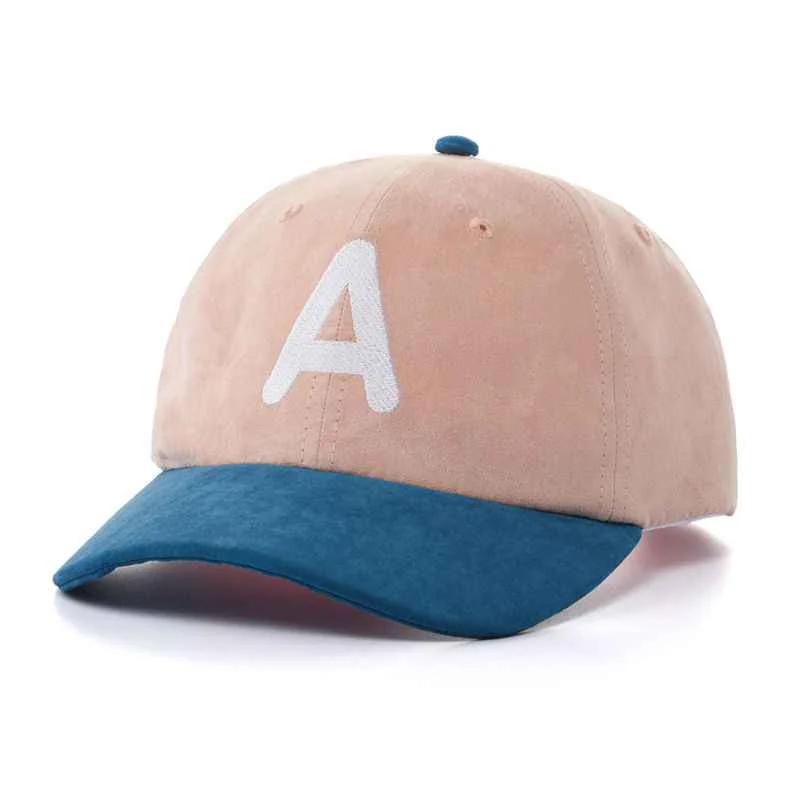
Low Profile
Short front panel; single wide logos; sits close to the head.
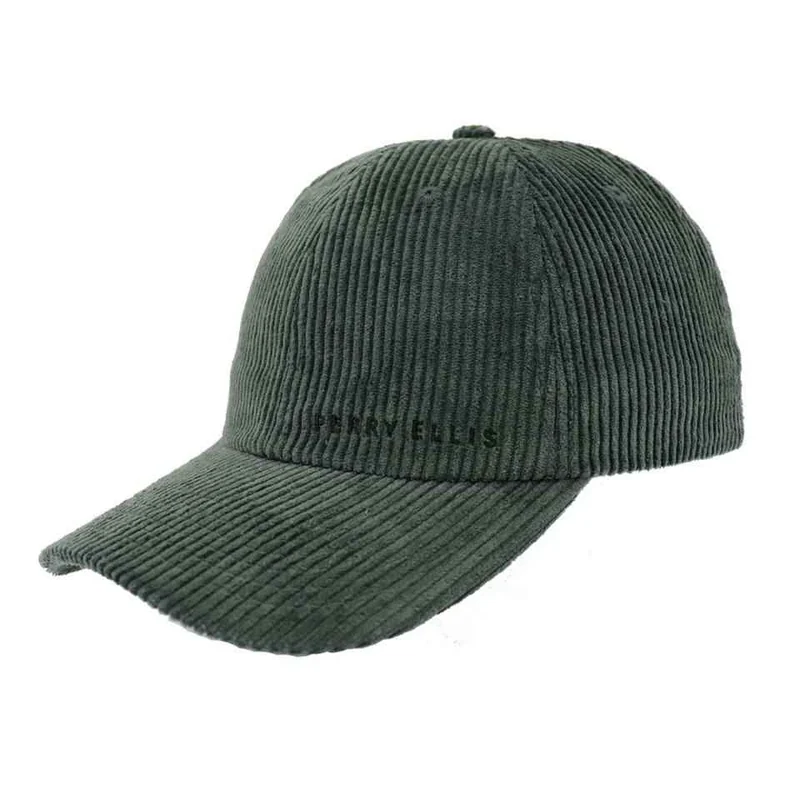
Mid Profile
The common default; balances logo room against a tidy line.
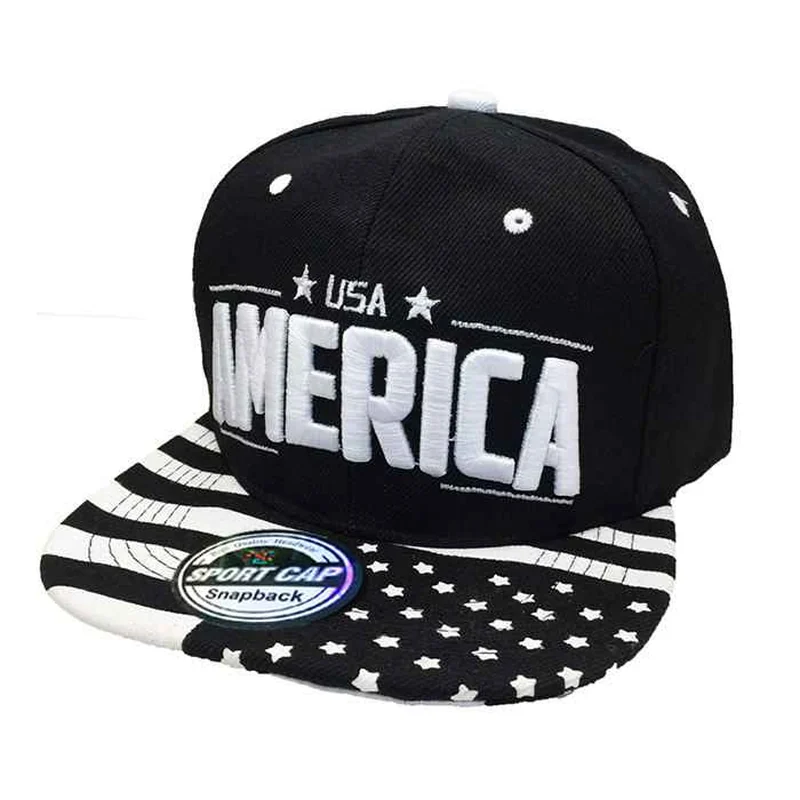
High Profile
Tallest front panel; most vertical logo room; reads streetwear.
02
Crown Structure and Back
Structure is independent of height. A structured crown has buckram behind the front panels and holds a crisp face for embroidery; an unstructured crown is soft and packs flat. The back construction decides whether the rear panels can carry a mark at all.
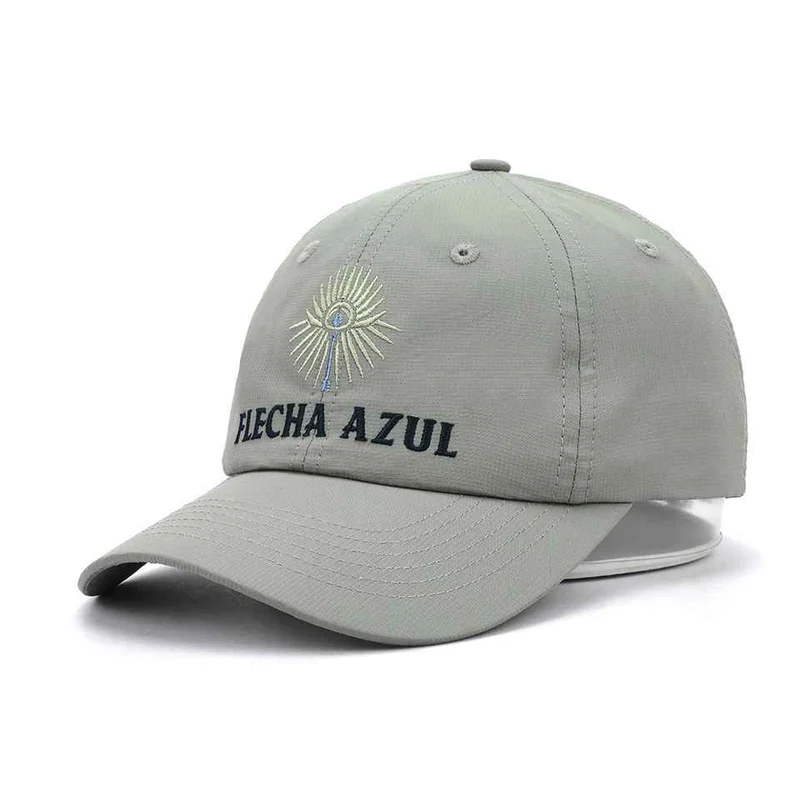
Structured
Buckram-backed front; holds a crisp face and carries dense 3D puff.
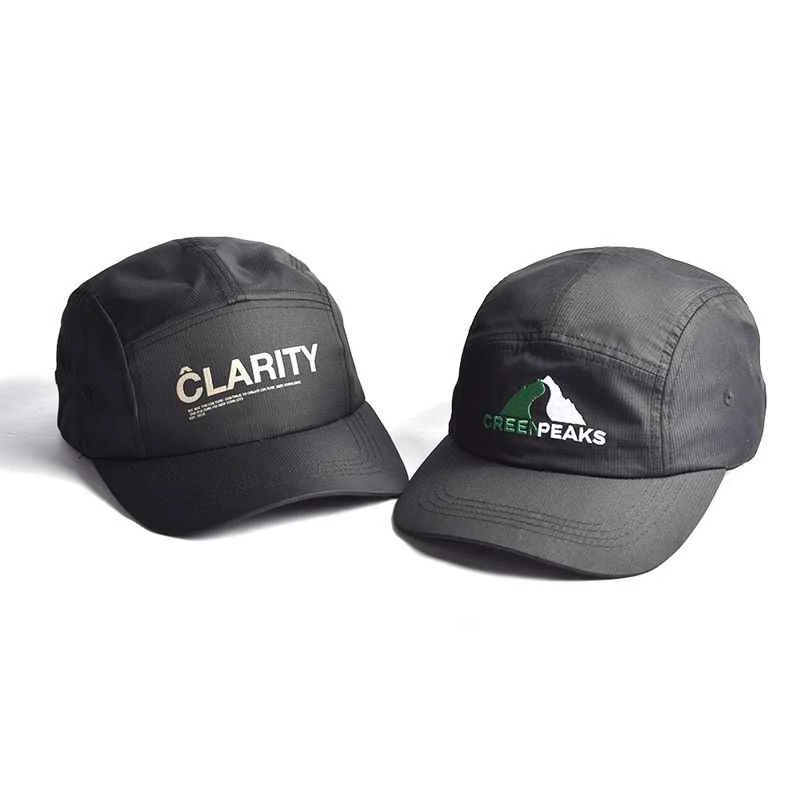
Unstructured
No backing; soft, packs flat, ships and stores in less space.
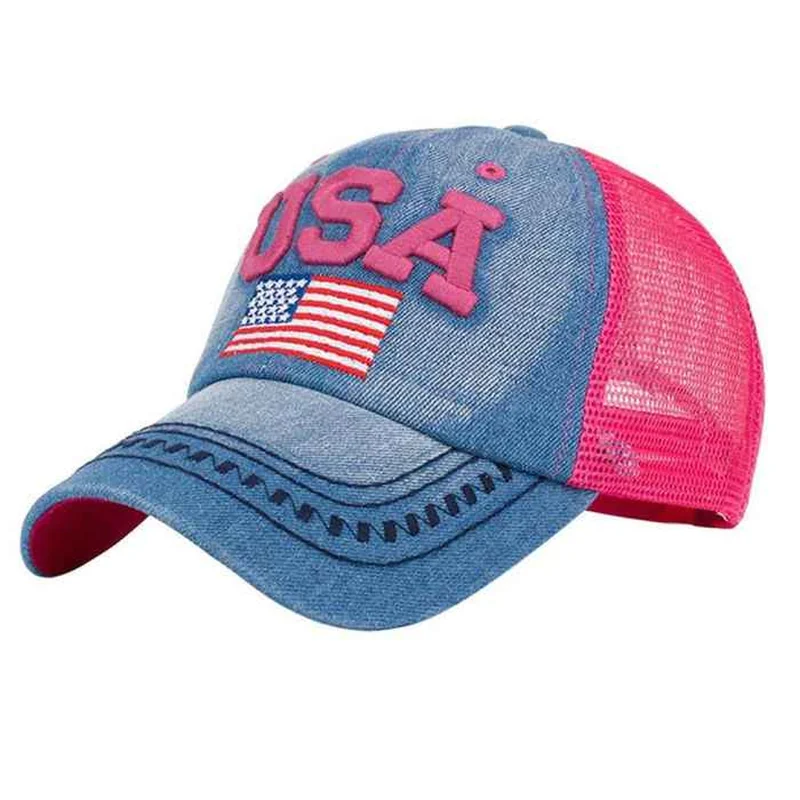
Mesh Back
Ventilated rear panels. Mesh cannot carry a stitch, so no back-panel artwork.
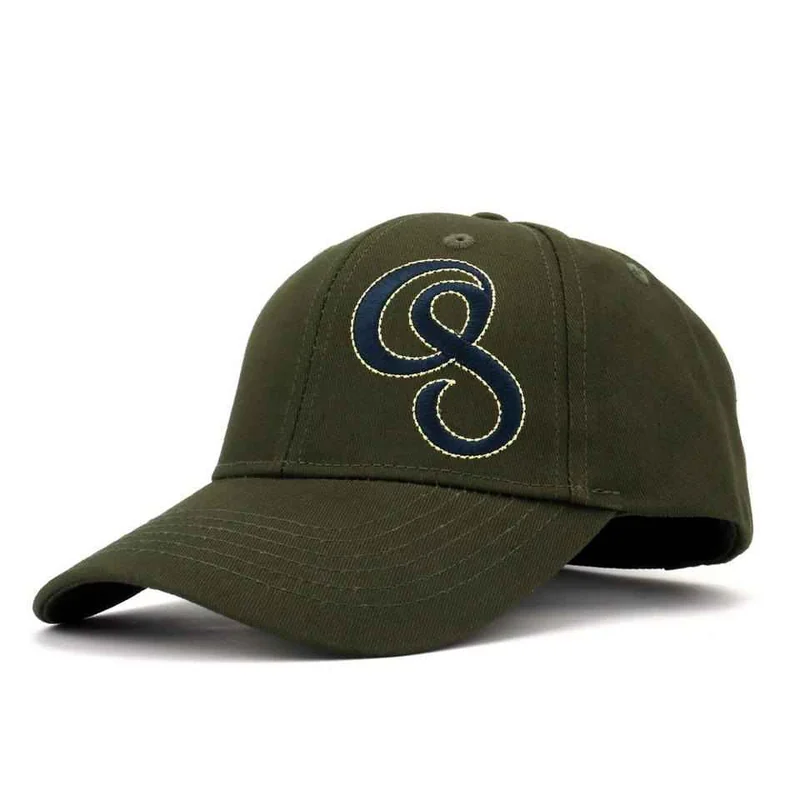
Solid Back
Closed rear panels; the back can take embroidery, a patch or a woven label.
03
Back Closure
The closure is the most commercial parameter on the cap. It decides whether one size covers your whole order or whether you have to forecast a size run before production — and it moves the unit cost more than most buyers expect.
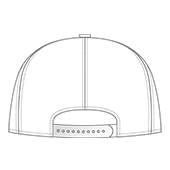
Snapback
Plastic snap and strap. One size covers most adult heads.
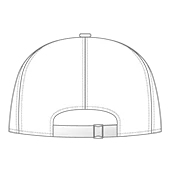
Strapback
Self-fabric strap with a slide or clip. The default on dad hats.
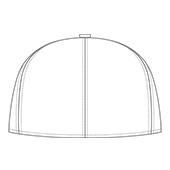
Fitted
No adjuster; sewn to a fixed size. Needs a size-run forecast.
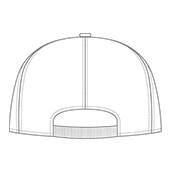
Elastic
Woven or plain elastic band. The route used on knitwear.
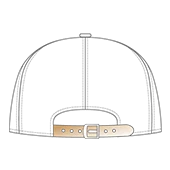
Leather
Leather strap and buckle. A retail-facing detail, not a patch.
04
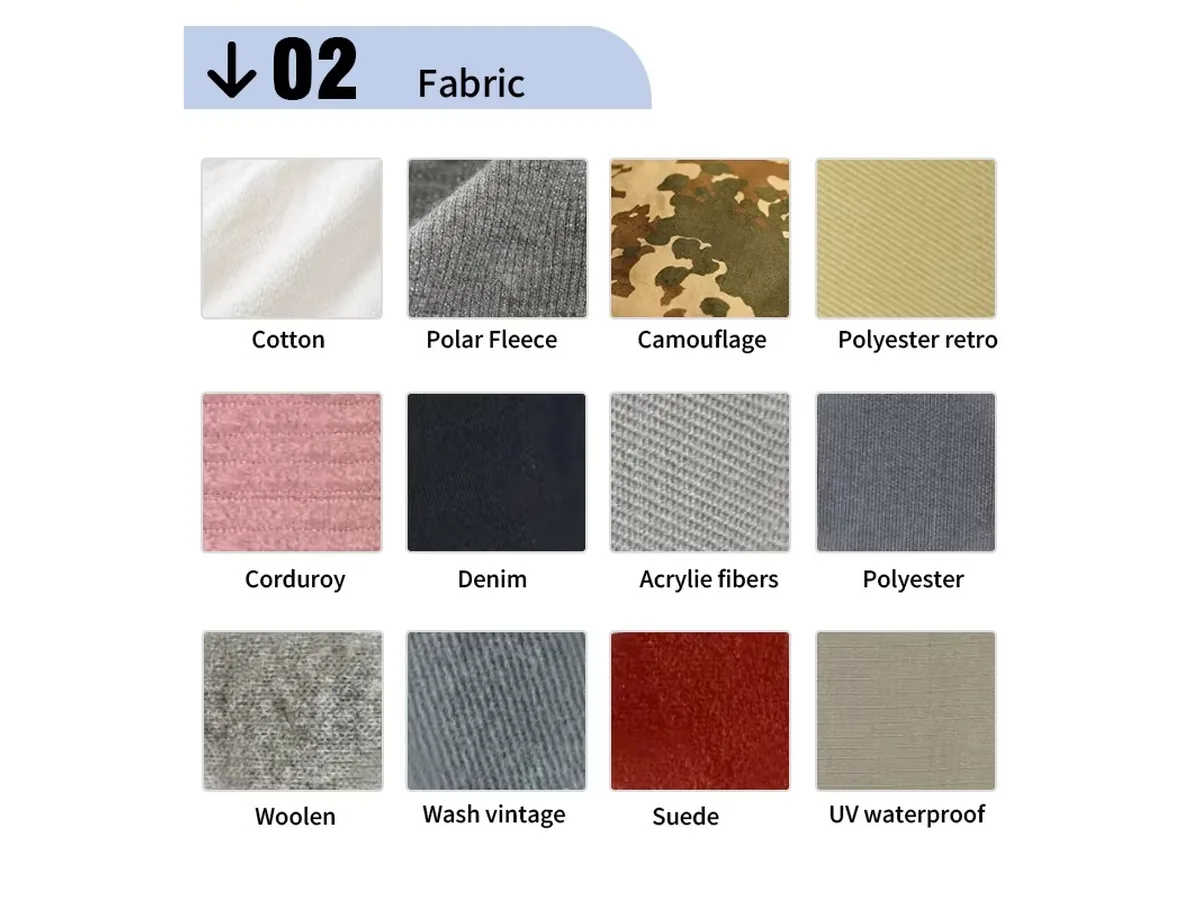
Fabric
Fabric is the first parameter to fix, because it decides which decoration routes are available. Changing it later changes everything downstream, including the decoration method you have already agreed.
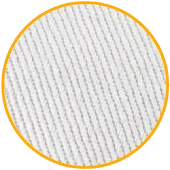
Cotton
Breathable, takes embroidery well, ages softly. The common default.
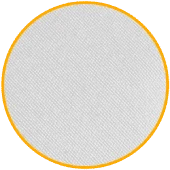
Polyester
Durable and colourfast, and the only sensible base for sublimation.
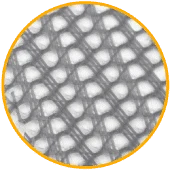
Twill
A woven cotton or blend with a visible diagonal line. Holds shape well.
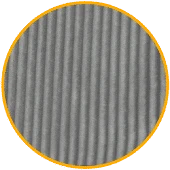
Corduroy
A textured pile. Keep logos bold — fine detail disappears into the ridges.
Performance
Light, stretchy and moisture-managing. Takes only light decoration.
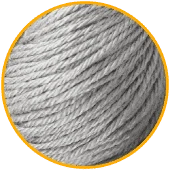
Acrylic Knit
Knitted rather than woven, for beanies and cold-weather programs.
05
Bill and Brim
The bill is the fastest way to date a design, so it is usually the last thing to finalise. Curve and depth decide whether the cap reads sport, streetwear or uniform.
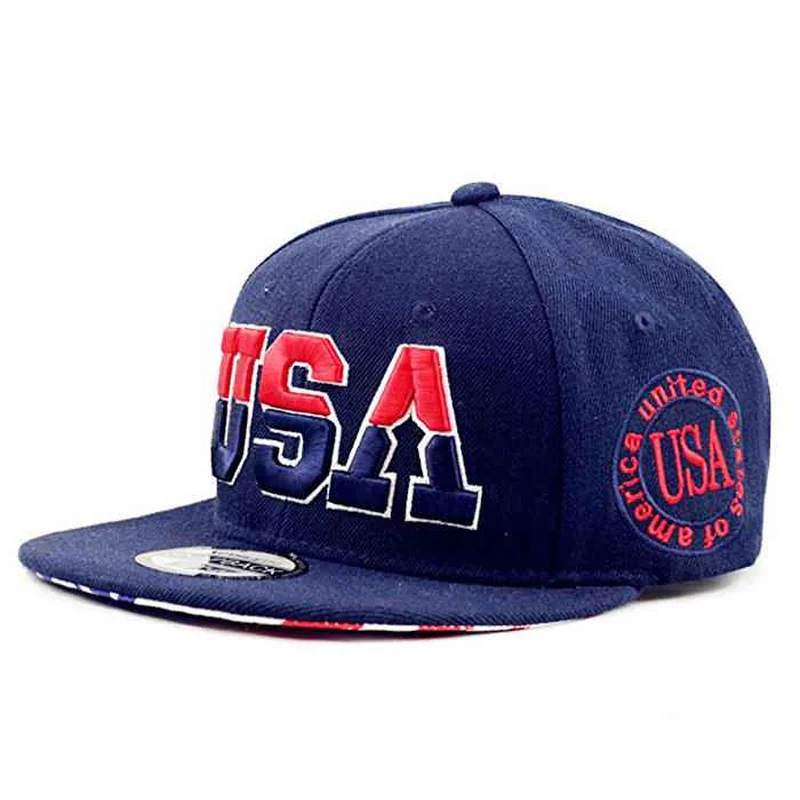
Flat Bill
Straight, worn flat or bent by the wearer. Pairs with a mid or high crown.
Pre-Curved
Bent at the factory. The most common bill on promotional and uniform caps.
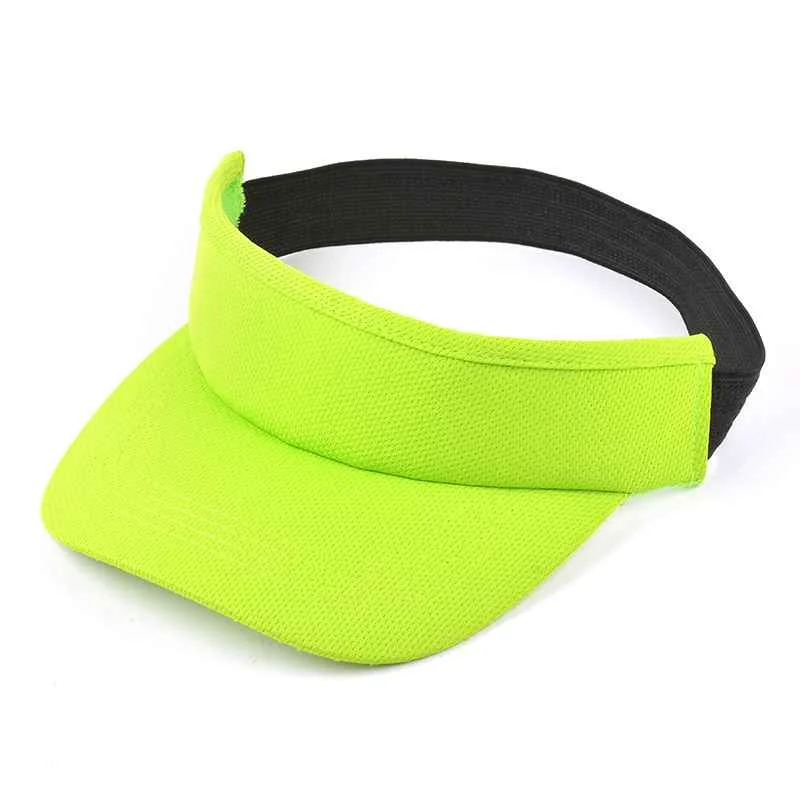
Full
A deeper, wider cut for more shade and a closer fit to the brow.
06
Application
The same cap brief reads differently depending on who wears it. These are the programs we build for most often, and each one has its own constraints on closure, fabric and decoration.
Corporate and Uniform
One size covering a wide range of heads; tidy, low crown.
Teams and Schools
Named runs, size ranges and reorders that have to match.
Retail and Private Label
Labels, hang tags and packaging as part of the product.
Events and Promo
Volume, short lead times and a low unit cost.
Golf and Outdoor
Light crown, moisture management and a curved bill.
Workwear
Hard-wearing fabric, high-visibility options and a secure fit.
Cold Weather
Knitted construction and a fuller coverage crown.
The dimension you fix first decides the rest
Start with the fabric, because it decides which decoration methods are available. Then panel count, which sets the size of your front logo area. Then profile and structure, which decide whether the cap reads corporate, casual or streetwear.
After that come the closure and the bill. The closure is the commercial one — it decides whether one size covers your whole order or whether you have to forecast a size run. The bill is the fastest way to date a design, so it is usually the last thing to finalise.
If your brief is driven by a reference cap, send a photo alongside the drawing. Matching a photo plus these dimensions is faster and more accurate than describing the cap in words.
Send the spec, the logo and the quantity
We reply with a free artwork proof and a factory-direct quote. Sample approval comes before bulk production, and pre-shipment photographs go out before dispatch.