Use Case
Custom Golf Hats Manufacturer
Custom golf hats for clubs, tournaments, resorts, pro shops and lifestyle brands. Choose rope hats, visors, performance caps, snapbacks or classic embroidered golf caps.
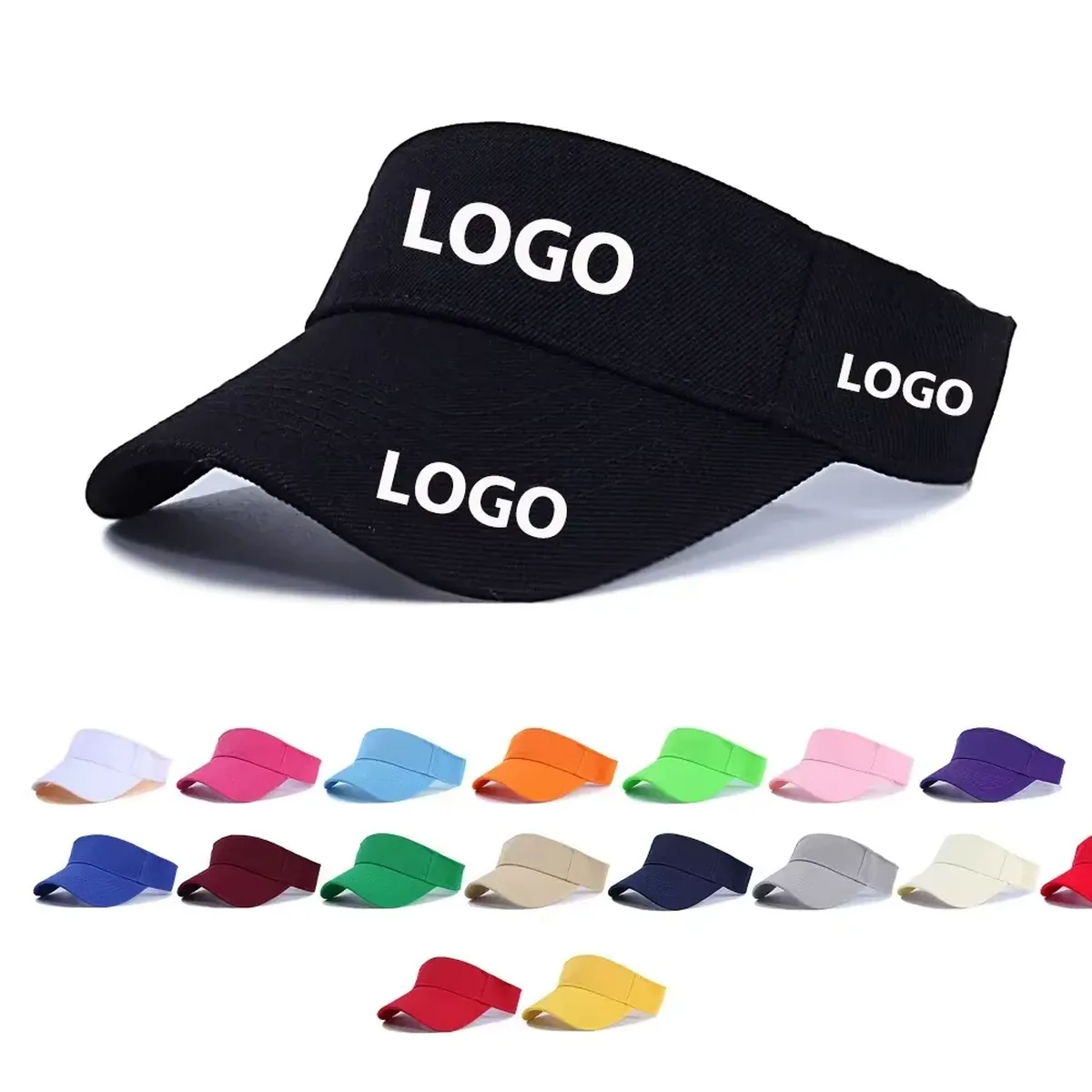
Golf headwear has its own style language
Golf hats often need a cleaner and more refined look than general promotional caps. Rope details, visors, performance fabrics and precise embroidery are all common in golf programs.
For clubs and tournaments, comfort matters: sweatband, brim curve, fabric weight and closure should suit long outdoor wear.
For golf brands and pro shops, retail presentation matters too. Hangtags, labels, color matching and repeatable specs should be confirmed early.
Fabric and brim choices that suit the course
Most golf programs land on one of three fabrics. Lightweight polyester twill (about 180–220 gsm) is the default for performance caps: it takes embroidery cleanly, dries fast and holds colour. Cotton twill is chosen when the cap has to feel like a classic club cap rather than sportswear. Stretch or textured poly is used when the cap is worn for a full 18 holes in heat and the buyer wants a softer hand.
The brim is where golf caps differ from fashion caps. A pre-curved brim with a stiffener holds its shape in wind and keeps sun off the eyes; a flat brim is a style choice, not a performance one. Brim depth is usually 70–75 mm on a golf cap — deeper than a dad hat, shallower than a trucker — because it shades the eyes without blocking the downswing sight line.
The back matters as much as the front. A metal slide or snapback gives size range for club members; an elastic or stretch band suits a fixed size for tournament giveaways. If the cap will be worn over a ponytail or a cap with a mesh back, say so in the brief — the closure and panel depth change together.
Rope trim: what it changes in the specification
Rope trim is the detail most associated with golf and resort caps, and it is a construction item rather than a decoration. The rope sits across the front panel seam, above the logo area, and is usually 3–4 mm in diameter with a colour matched to the embroidery or a contrast accent.
Adding rope changes three things in the spec. First, it consumes vertical space on the front panel, so the logo has to sit lower and slightly smaller than on a plain cap — which is why a logo that worked on a dad hat can look cramped on a rope cap. Second, rope ends have to be finished inside or under the panel seam; how that is done is visible in a close-up photo, so ask for one before bulk.
Third, rope and embroidery have to be sequenced: embroidery first, rope applied after, or the needle path runs into the cord. We confirm that sequence with the sample rather than assuming it, because getting it wrong shows up as a loose rope end on every piece in the run.
What drives the price of a golf hat
Four things move the unit price, in this order: decoration, fabric, construction details, and order quantity. Embroidery is priced by stitch count — a front logo of 4,000–8,000 stitches is normal, and every extra 1,000 stitches on a six-panel cap adds cost. A woven or leather patch usually costs more than flat embroidery but reads better at small sizes, which is why club crests often go to patch rather than thread.
Order quantity changes the maths more than any material choice. Our minimum is 50 pieces per style and colour combination, with price steps at roughly 100, 500 and 1,000 pieces. A 50-piece run is priced like a sample-plus run because setup is spread over fewer units; at 500 pieces the same cap typically costs meaningfully less per unit even though nothing about the construction changed.
Two cost traps are worth knowing before you budget. Multi-colour embroidery in small areas forces more thread changes and slows the machine, so a five-colour crest can cost more than a two-colour logo twice its size. And mixed sizes in one run are not free: if you order 50 pieces split across three closures or two fabrics, that is three setup runs, not one.
Timeline from artwork to delivery
A golf program typically runs on this sequence. Artwork proof: one to two working days after you send a vector file, a flat mockup of the cap with your logo placed at the real size and position. Sample: 5–10 working days for a physical pre-production cap, which is the point where you confirm fabric hand, brim curve and rope position.
Production: 25–35 working days after sample approval, depending on quantity and whether patches or special trims are involved. Before the goods leave we photograph the finished caps — front, back, inside label and the decoration close-up — so you approve the actual run rather than a stock photo.
Two things delay golf orders more than anything else: late artwork (a raster logo has to be redrawn before embroidery can be digitised) and a late size breakdown. If the event date is fixed, send the date with the enquiry and we will tell you whether the schedule holds before you commit to the order.
What tournament organisers usually order
A typical club or tournament order is 100–300 caps in one colourway, one logo on the front, and a second small mark on the back or side for a sponsor. Sizes are often handled by a snapback or slide closure rather than three fixed sizes, because it removes the guesswork of collecting head sizes from players.
Event packing is the detail that separates a smooth tournament from a chaotic one. Caps can arrive individually bagged with a hangtag, grouped by size in cartons, or packed flat in a single carton for hand-out at registration. Tell us how they will be distributed and the packing is laid out for that, not for a warehouse.
Resort and pro-shop programs differ: they usually want retail presentation — hangtag, size label, polybag, sometimes a sticker on the bag — and they reorder the same spec season after season. For repeat programs we keep the approved sample specification on file, so the second order matches the first without re-sampling every detail.
Buyer Risk Check
Where this project can go wrong
Style feels too promotional
Golf buyers often expect a more refined cap than generic giveaways.
Sweatband is overlooked
Long outdoor wear makes sweatband and fit important.
Rope and logo clash
Rope trim must leave enough visual space for the front logo.
Logo redrawn after sampling
A raster crest has to be vectorised before embroidery digitising, which costs a round.
Mixed setups in one order
Two fabrics or three closures in 50 pieces is three setups, not one.
What we confirm before production
Every order is quoted by the actual spec, sampled for approval, and checked against the approved sample before shipping.
Golf-specific styles
Rope hats, visors and performance caps can be quoted for the same program.
Comfort spec review
Sweatband, closure and brim are confirmed before sampling.
Clean logo execution
Embroidery and patch methods are matched to the golf look.
Retail support
Labels, hangtags and packaging can be added for pro shops and brands.
Repeatable spec
The approved sample specification is kept on file for the next season.
Common questions
Rope hats, visors, performance caps and classic embroidered caps are common golf choices.
Yes. We can produce tournament hats with logos, sponsor marks and event packing.
Yes. Rope trim is a classic golf detail and can be matched to the cap and logo colors.
50 pieces per style and colour combination. Price steps start at about 100, 500 and 1,000 pieces.
Artwork proof 1–2 working days, sample 5–10 working days, production 25–35 working days after sample approval.
Yes. A snapback or metal slide closure covers a size range; if you need fixed sizes, send the breakdown with the order.
Yes. Front, back, inside label and a close-up of the decoration are photographed before the goods leave.
Ready to quote this project?
Send your cap style, logo, quantity and destination. We will reply with MOQ, unit price, sample details and shipping options.