Crown Profile
Custom Low Profile Caps
A low crown is usually a fit decision before it is a style decision: it is the profile that lets one cap cover a wide band of head sizes and still read tidy across a uniform. It is also the profile with the least vertical room for a logo, so the artwork has to be re-laid rather than scaled down. This page covers what to settle before an order goes to sampling, which is crown height, front panel, logo layout and closure.
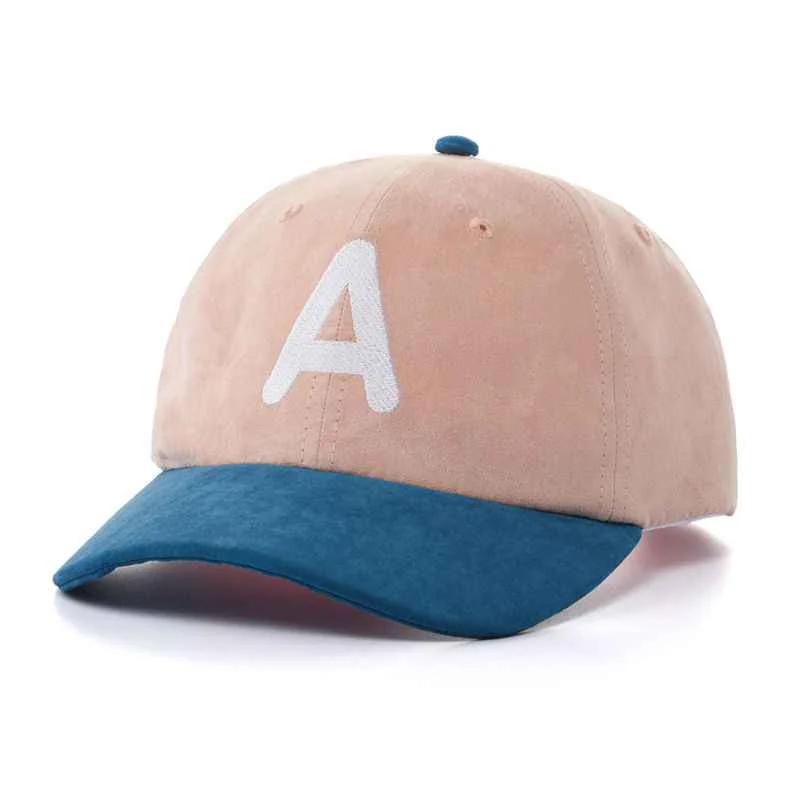
A low crown is a coverage decision first
Most orders that land on a low crown are not choosing a look. They are choosing a profile that one cap can carry across a whole group. Crown height is fixed on the cap; head circumference is not, so the profile is what decides whether a single specification reads correctly on most of the people wearing it.
That matters most where the order is a uniform rather than a product: corporate staff, chain store teams, school groups and event giveaways. Nobody is measuring heads in those programs. The order needs one cap that sits tidily across a wide band of head sizes without looking oversized at the smaller end of it.
A tall crown pushes a cap up on a smaller head, so it reads as borrowed. A low crown stays close to the skull and holds the same line across the group. That is the commercial reason to pick it, and it is also why the exact crown height belongs on the spec sheet instead of being described as low and left there.
What a low crown leaves for the logo
A low crown shortens the front panel, and the front panel is where a logo lives. There is less room between the bottom edge and the top of the crown, so a stacked three-line mark that looked balanced on a mid crown ends up compressed or has to be reduced.
The practical fix is layout, not size. Wide horizontal lockups and wordmarks suit a low crown because they use the panel width and ignore the panel height. Small supporting text under a mark is usually the first element to drop, and a tall emblem is usually the first element that has to be re-drawn.
We proof artwork against the front panel dimensions the cap is actually cut to, and we confirm the crown height on the spec sheet before the artwork is locked. If the mark cannot work horizontally, that is worth raising before the sample is made rather than after it arrives.
How a low crown sits on the head
A low crown is usually built on a soft front panel rather than a stiffened one. A soft panel has no rigid backing, so it follows the shape of the head instead of standing on it. Wearing one feels like the cap has settled onto you, not like it has been placed on top of you.
The trade-off is that the panel moves, and anything stitched to it moves with it. A mark that is dense or heavily filled can pull the fabric around the shape. On a soft front we review stitch density, and where the design calls for it we add a backing behind the stitch or move the mark to a different method.
A low crown does not have to be soft. Structure and height are separate lines on the specification, and a low crown with a stiffened front is a normal build when a buyer wants a crisper face for a dense logo. We confirm the two independently so neither one is assumed.
Crown height and closure belong in the same conversation
A low crown does not cover a size range on its own. The closure does the covering. A snapback, a fabric strap and a stretch-fit band each widen or narrow the band of head sizes the cap actually fits, so deciding the crown and the closure in separate conversations is how an order ends up covering fewer people than it was planned around.
The two interact. The back opening sits differently on a low crown than on a tall one, and a strap or band that looks right on a taller crown can look heavy on a shorter one. We list crown height and closure together and confirm both on the same spec sheet before sampling.
This is why low crowns turn up so often in programs built for smaller head sizes. Buyers running women's programs, or orders that mix youth and adult wearers in one run, usually find a low crown with an adjustable back easier to cover than a fitted cap held in several sizes. The fit range is a decision to make deliberately rather than a default to inherit.
Buyer Risk Check
Where this project can go wrong
Treating low as a single height
Low is a range, not a number. Two caps both sold as low profile can sit at different heights, and the logo room changes with the height.
Keeping a tall stacked logo
Vertical room is the constraint. A stacked lockup that fits a mid crown has to be reduced or turned horizontal, and discovering that after the sample wastes a round.
Choosing the crown before the closure
If the crown and the adjuster are decided separately, one size stops covering the group the order was planned for.
Approving the fit from a mockup
How far the front panel drops onto the brow is a wearer judgement. A few millimetres changes whether a low crown reads tidy or tight.
What we confirm before production
Every order is quoted by the actual spec, sampled for approval, and checked against the approved sample before shipping.
One spec for a mixed group
A low crown with an adjustable back is the combination that lets a single cap serve a wide head size band without a size run.
Artwork re-laid to the real panel
We proof your logo against the front panel dimensions the cap is actually cut to, not against a generic template.
Height and closure confirmed together
Both lines go on the spec sheet before sampling, so the fit and the look are settled in one round instead of two.
Sample before bulk
You fit the sample on a wearer and approve the height and hand feel, and the bulk run is checked against that approved sample.
Common questions
The crown sits closer to the skull than a mid or high crown, with a shorter front panel. The exact height is a specification line, so we write it on the spec sheet rather than relying on the word low.
Yes, when the closure is chosen for the group. A low crown with an adjustable back covers a wide band of head sizes, which is why it suits corporate, store, school and event programs.
There is less vertical room on the front panel, so a stacked or tall mark has to be reduced or turned horizontal. We re-lay the artwork against the panel dimensions the cap is cut to and proof it back to you.
Usually, because a low crown is often built on a soft front panel that follows the head. It can be stiffened when you want a crisper face for a dense logo, and that is a separate line on the spec sheet.
It is usually the better choice. A tall crown can sit high on a smaller head and read oversized, which is why low crowns are common in women's programs and in orders that mix youth and adult wearers.
Snapback, fabric strap and stretch-fit band all work. The right one depends on the head size band the order has to cover, and we confirm it alongside the crown height rather than after it.
A wide logo, yes. A tall and densely filled one is limited by the panel height and by the soft front, so we check the stitch count against the panel and may suggest a patch or a lower density fill instead.
It goes on the spec sheet and is then checked on the physical sample. A photograph can show the shape, but only a sample on a wearer tells you how the crown actually sits.
Ready to quote this project?
Send your cap style, logo, quantity and destination. We will reply with MOQ, unit price, sample details and shipping options.
Low, mid and high profiles, and how crown height and structure are measured.
Cap Closure GuideSnapback, strap and fitted options, and the size range each one covers.
Hat Size GuideHead circumference, size bands and how to plan a size range.
Company HatsUniform and corporate programs where one spec has to serve a large group.
Custom Baseball HatsLow crown on the standard base.