Care Guide
Cap Storage and Care Guide for Bulk Orders
Caps rarely fail in use. They fail on the shelf — crushed under weight, marked by humidity, or discoloured on one face after a season in the wrong place. This is the storage guidance we give with bulk orders.
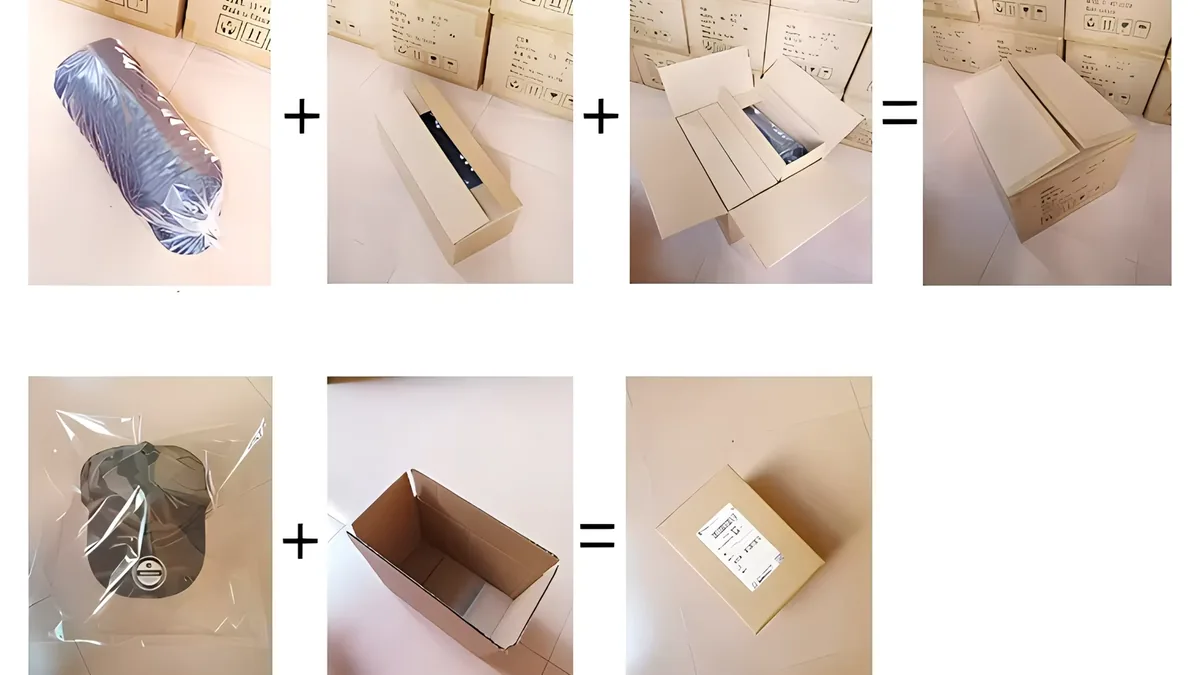
Why storage is part of the specification
A bulk order is usually produced once and consumed over months. Whatever happens between delivery and the last unit leaving the shelf is part of the product experience, and it is decided long before the first cap is cut.
Three things cause most storage damage: compression, humidity and light. Each one can be planned for at packing stage, and none of them is expensive to handle at that point.
If your order is going into a warehouse, a retail back room or individual shipping to end customers, say so at quotation. Packing method follows from how the goods will be held.
Compression, humidity and light
Compression is the most common cause of a bent bill and a flattened crown. Cartons should not be stacked beyond the point where the lower layer deforms, and caps should not be stored in loose piles without a form holding the crown.
Humidity affects fabric, thread and any leather component. A dry, ventilated space keeps natural fibres stable; a damp one encourages mould on cotton and stiffness in leather. Sealed cartons in a humid room are the worst combination, because moisture cannot escape.
Light fades dyed fabric unevenly. Where cartons are stacked against a window, the exposed face can shift in colour relative to the rest of the order. Rotating stock or keeping cartons out of direct light avoids it.
Practical guidance for the shelf
Keep caps in their cartons until they are needed, stack within the carton-recommended limit, and store in a dry, ventilated, out-of-direct-light space. Where individual caps are displayed, put a form inside the crown so the front panel does not collapse.
For leather-patched caps, avoid stacking where the patch presses into the cap below. Leather takes a compression mark and keeps it.
If stock will be held for more than one season, ask us about packing at quotation. Options like individual polybags, crown forms and divided cartons are simple to plan at production and awkward to add later.
Buyer Risk Check
Where this project can go wrong
Over-stacked cartons
The lower layer deforms and stays deformed. This is the most common cause of bent bills in bulk.
Sealed cartons in a damp room
Moisture cannot escape, which encourages mould on natural fibres and stiffens leather.
Cartons against a window
One face of the order can shift in colour relative to the rest after a season.
Stacking leather-patched caps
Leather takes a compression mark and keeps it.
What we confirm before production
Every order is quoted by the actual spec, sampled for approval, and checked against the approved sample before shipping.
Packing planned around storage
How the order will be held decides the packing, and we ask at quotation rather than after a problem.
Crown forms available
Where displayed caps need to hold shape, a form inside the crown solves it.
Divided cartons
For mixed size runs or mixed styles, divided cartons keep caps from pressing on each other.
Care guidance supplied
Storage and washing guidance is included with the order so your team and your customers have it.
Common questions
In a dry, ventilated space out of direct light and within the carton stacking limit, embroidered and printed caps hold for well over a season. Compression and humidity cause the problems, not time by itself.
Almost always compression in transit or in storage. The packing specification is the first thing to review, not the cap itself.
Yes, within the carton-recommended limit. Over-stacking is what flattens crowns and bends bills.
A dry, ventilated space. The specific figure matters less than avoiding sealed cartons in a damp room, where moisture cannot escape.
Yes. Do not stack them so the patch presses into the cap below, and keep them away from damp conditions, which stiffen leather.
With a form inside the crown. An unsupported structured front panel collapses over time, especially in a warm display.
Yes. Individual polybags and brim-safe packing can be planned at quotation, which is much easier than adding it after production.
Light fades print and dye. Keeping cartons out of direct light and rotating stock protects the colour across the whole order.
Ready to quote this project?
Send your cap style, logo, quantity and destination. We will reply with MOQ, unit price, sample details and shipping options.
Washing methods that preserve structure and decoration.
How to Fix a Cap BrimReshaping a bent bill, and when it cannot be done.
Blank Caps WholesaleStock and blank headwear for decorators and distributors.
Wholesale Custom HatsBulk programs and repeat ordering.
Packaging and ShippingPacking and shipping options as part of the order.
Request a QuoteTell us how the order will be stored and we will plan the packing.