B2B Buying Guide
Cap Fabric Guide: How Each Fabric Behaves
Fabric is the parameter that decides which decoration methods you can use, how the cap feels on the head, and how the colour survives a summer of wear. It is also the single biggest driver of your unit cost.
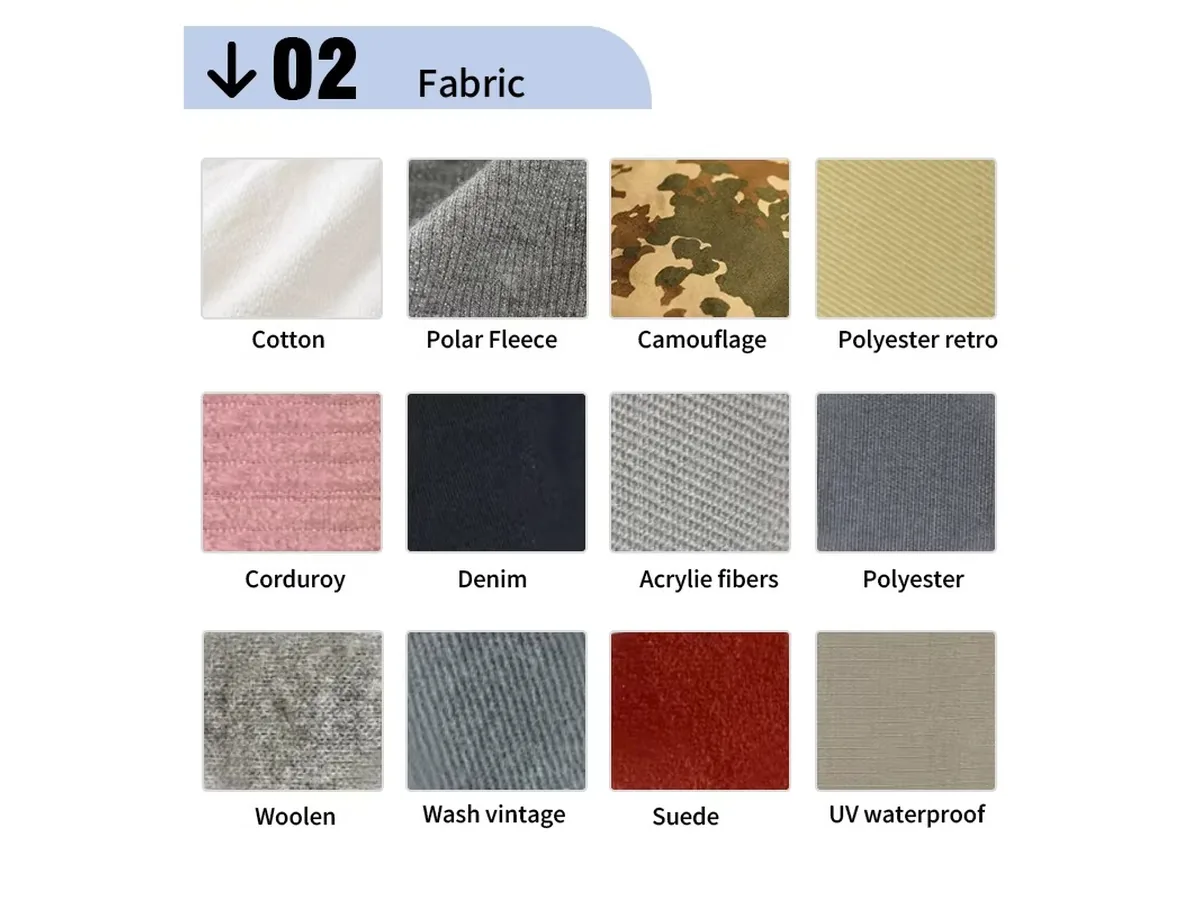
Choose the fabric before the decoration method
Most buyers pick a decoration method first and a fabric second. That order causes avoidable problems, because the fabric constrains what the decoration can do.
The clearest example is sublimation. It dyes the fabric rather than sitting on top of it, so it needs a polyester-rich surface. Specify cotton first and sublimation is off the table — not because it would look bad, but because cotton will not take the dye.
The same logic runs the other way for texture. Corduroy looks rich in a swatch, but its pile swallows fine embroidery detail. A logo that reads perfectly on cotton twill can look muddled on corduroy.
The three fabrics that cover most orders
Cotton twill is the default for a reason. It takes flat embroidery and 3D puff better than anything else, it feels familiar to the wearer, and it softens with use. Its weaknesses are fading under heavy washing and a tendency to crease.
Acrylic behaves more like wool: it holds shape and colour strongly and resists fading. It is the usual choice for beanies and wool-look caps. It is less breathable than cotton and can pucker if you load a thin acrylic with dense stitching.
Polyester is the durable, colourfast option. It resists shrinking, wicks moisture, and is the only sensible base for sublimation. It feels more synthetic against the skin, which is why it dominates performance and workwear rather than premium retail.
If you are unsure, a cotton-polyester blend is the sensible middle. It keeps more shape than pure cotton and feels softer than pure polyester, and it embroiders well.
The fabrics that suit a specific brief
Canvas is heavy and firm. It holds a structured shape and carries high stitch counts, which makes it a good fit for workwear and premium structured caps.
Brushed cotton has a soft, slightly fuzzy, washed finish. The colour reads muted by design, which suits dad hats and lifestyle programs where a crisp new look is not the point.
Corduroy is seasonal and textured. Keep logos bold and simple; fine detail and small type will disappear into the ridges.
Performance knits are light, stretchy and designed to move moisture. They suit running, golf and cycling programs, but they only accept light decoration — a dense fill will distort the knit.
Recycled polyester behaves exactly like conventional polyester. Choose it when you need a sustainability story to tell, not because the cap performs differently.
Buyer Risk Check
Where this project can go wrong
Picking cotton, then wanting sublimation
Sublimation needs polyester. This is the most common fabric-decoration conflict, and it is avoidable at the brief stage.
Fine logos on corduroy
The pile hides small lettering. Either simplify the logo or choose a smoother fabric.
Dense 3D puff on thin acrylic
A heavy fill on a light fabric puckers the panel. Cotton twill or canvas holds it properly.
Cap fabrics — how they behave and what they cost you
| Fabric | Hand feel | Colour and shape | Embroidery result | Best for |
|---|---|---|---|---|
| Cotton twill | Soft, classic; softens further with wear | Colour holds well but fades with heavy washing; can crease | Excellent — the standard surface for flat and 3D embroidery | Corporate, retail and team caps where the logo matters |
| Acrylic | Wool-like and slightly crisp | Holds shape and colour strongly; resists fading | Good, but dense stitching can pucker a thin acrylic | Beanies, wool-look caps, budget retail |
| Polyester | Smooth, slightly synthetic | Very colourfast; resists shrinking | Good — but use a compatible backing for dense logos | Performance caps, sublimation, hard-wearing work caps |
| Cotton / polyester blend | Between the two | Better shape retention than pure cotton with more softness than pure polyester | Very good | The all-round choice for mixed programs |
| Brushed cotton | Soft, slightly fuzzy, washed look | Softer handle, colour looks muted by design | Good; the texture softens fine detail | Dad hats, lifestyle and garment-washed styles |
| Canvas | Heavy and firm | Holds a structured shape very well | Very good; takes heavy stitch counts | Structured caps, workwear, premium retail |
| Corduroy | Textured vertical ridges | Rich colour, seasonal look | Usable, but the pile hides fine detail — keep logos bold | Autumn and winter retail, fashion programs |
| Performance knit | Light, stretchy, smooth | Wicking and fast-drying | Light logos only; dense fill distorts the knit | Running, golf, cycling and sport |
| Recycled polyester | Same as polyester | Same as polyester, with a sustainability story | Same as polyester | Brands with a sustainability requirement |
Fabric drives hand feel, colour retention, breathability and how well your logo reproduces. Ask for the fabric weight and composition to be confirmed on the order sheet.
Decoration method against fabric — what actually works
| Decoration | Cotton twill | Polyester | Acrylic | Canvas | Mesh back | Corduroy |
|---|---|---|---|---|---|---|
| Flat embroidery | Best | Best | Good | Best | Not possible | Good |
| 3D puff embroidery | Best | Good | Risky — may pucker | Best | Not possible | Not suitable |
| Chenille patch | Best | Good | Good | Best | Not possible | Not suitable |
| Woven patch | Best | Best | Best | Best | Possible on solid panels only | Good |
| Leather patch | Best | Good | Good | Best | Not possible | Not suitable |
| PVC / rubber patch | Good | Best | Best | Good | Not possible | Good |
| Screen print | Best | Good | Good | Good | Not possible | Ink sits on the ridges — avoid |
| Heat transfer | Good | Best | Good | Good | Not possible | Avoid |
| Sublimation | Poor — cotton takes no dye | Best | Poor | Poor | Not possible | Poor |
Not every decoration method suits every fabric or every front panel. This is the table to check before you commit a logo to a fabric choice.
Need a combination that is not listed? Send your specand we will confirm what the factory can hold before you commit.
What we confirm before production
Every order is quoted by the actual spec, sampled for approval, and checked against the approved sample before shipping.
Fabric checked against your logo
We review the fabric and the decoration together, so a conflict surfaces at quotation rather than at sampling.
Swatches available
Ask for the fabric you are considering and we will confirm what is available before the order is placed.
Weight and composition on the spec sheet
The confirmed specification records the fabric so a repeat order behaves the same way.
Sample before bulk
Fabric hand feel is hard to judge from a photo. The sample is where you approve it.
Common questions
Cotton twill on a structured front panel. It accepts both flat and 3D embroidery cleanly, and it is the surface most embroidery is designed against.
No. Sublimation dyes the fabric and needs a polyester-rich surface. On cotton the print will not develop properly.
Polyester and acrylic resist fading best. Cotton fades faster, especially under repeated washing and strong sunlight.
Acrylic is the usual choice because it holds the knit shape and resists fading, and it is not exposed to the same washing as a cotton cap.
It is usually the single largest cost variable in the cap, aside from the decoration. Moving from a basic blend to a premium canvas or performance knit changes the unit price noticeably.
It keeps its shape better than pure cotton and feels softer than pure polyester. For mixed programs where no single requirement dominates, it is the safe choice.
Ask for the fabric you are considering and we will confirm availability. For colour matching, we recommend approving a physical sample rather than working from a screen.
It works if the logo is bold and simple. Detailed or small logos lose definition in the ridges, so it suits blocky marks better than fine type.
Ready to quote this project?
Send your cap style, logo, quantity and destination. We will reply with MOQ, unit price, sample details and shipping options.
The full parameter reference for custom caps.
Decoration CompatibilityWhich decoration method works on which fabric.
Custom Corduroy HatsA textured, seasonal fabric option.
Custom BeaniesAcrylic knits for cold-weather programs.
Embroidered HatsFlat embroidery, the most popular decoration method.
Request a QuoteSend your logo and we will confirm the fabric that suits it.