Buyer Comparison
Cotton vs Polyester vs Acrylic: Which Cap Fabric to Choose
Fabric is the first parameter to fix, because it decides which decoration methods are even possible. These three cover most custom cap orders, and the differences are practical rather than cosmetic.
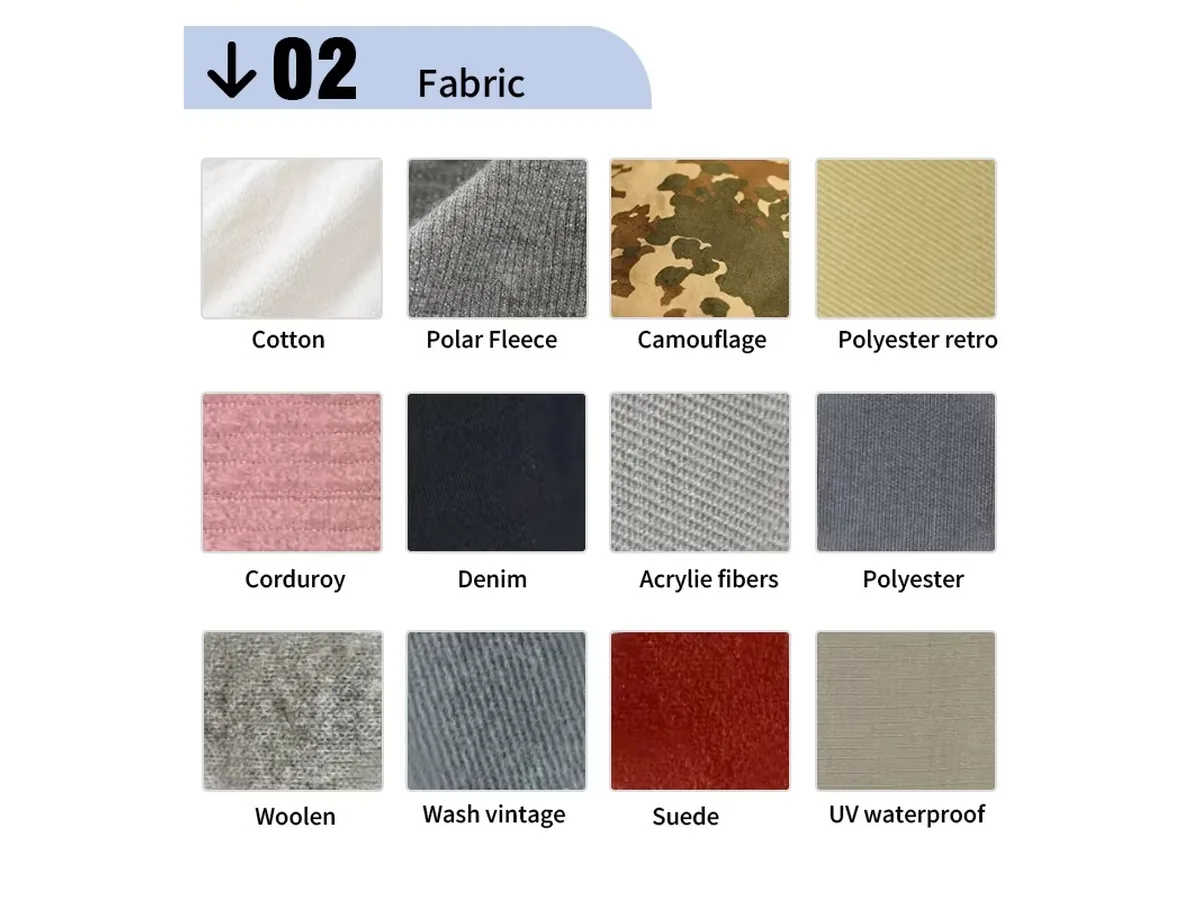
Cotton: the default for structured fronts
Cotton twill and canvas are the standard for structured caps. They hold a crisp crown, take embroidery cleanly, and wear in rather than out — which is why they dominate corporate, uniform and retail programs.
Cotton is also the easiest fabric to finish with a patch, because a flat stable front panel gives a leather or woven badge something to sit on.
The trade-off is weight and drying time. Cotton holds moisture longer than synthetics, which matters for outdoor and high-sweat use.
Polyester: the print and performance fabric
Polyester is chosen for two reasons. First, sublimation only works on polyester-rich fabric — the dye bonds into the fibre, so an all-over photographic design has to be built on polyester.
Second, polyester blends are used for performance and moisture-wicking caps where the piece is expected to be worn during activity rather than worn as a uniform.
Most mesh backs are polyester by default. That is worth remembering, because mesh cannot carry embroidery — the fabric choice quietly rules out back decoration.
Acrylic: warmth and knit structure
Acrylic is the common choice for beanies and knit caps. It holds its shape through repeated washing, takes dye evenly across a wide colour range, and resists moths and moisture in storage.
On a structured cap front, thin acrylic can pucker under a dense 3D embroidery fill. If a knit-look cap needs a heavy raised logo, the front needs the right backing and a generous stitch plan.
Wool blends sit between acrylic and cotton: warmer and softer, but with a different care profile and a higher cost. Where warmth matters more than cost, they are worth quoting.
Buyer Risk Check
Where this project can go wrong
Choosing cotton, then asking for sublimation
Sublimation only bonds into polyester-rich fabric. On cotton the print sits on the surface and behaves differently.
Dense 3D puff on thin acrylic
A heavy fill on a thin or unstable front puckers the panel. Fabric is confirmed before stitch planning.
Judging fabric by feel alone
Two caps can feel similar and differ completely in print compatibility and wash behaviour.
Ignoring how the piece will be washed
Care instructions depend on the fabric and the decoration together, not on the fabric alone.
Parameter Charts
Cap fabrics — how they behave and what they cost you
| Fabric | Hand feel | Colour and shape | Embroidery result | Best for |
|---|---|---|---|---|
| Cotton twill | Soft, classic; softens further with wear | Colour holds well but fades with heavy washing; can crease | Excellent — the standard surface for flat and 3D embroidery | Corporate, retail and team caps where the logo matters |
| Acrylic | Wool-like and slightly crisp | Holds shape and colour strongly; resists fading | Good, but dense stitching can pucker a thin acrylic | Beanies, wool-look caps, budget retail |
| Polyester | Smooth, slightly synthetic | Very colourfast; resists shrinking | Good — but use a compatible backing for dense logos | Performance caps, sublimation, hard-wearing work caps |
| Cotton / polyester blend | Between the two | Better shape retention than pure cotton with more softness than pure polyester | Very good | The all-round choice for mixed programs |
| Brushed cotton | Soft, slightly fuzzy, washed look | Softer handle, colour looks muted by design | Good; the texture softens fine detail | Dad hats, lifestyle and garment-washed styles |
| Canvas | Heavy and firm | Holds a structured shape very well | Very good; takes heavy stitch counts | Structured caps, workwear, premium retail |
| Corduroy | Textured vertical ridges | Rich colour, seasonal look | Usable, but the pile hides fine detail — keep logos bold | Autumn and winter retail, fashion programs |
| Performance knit | Light, stretchy, smooth | Wicking and fast-drying | Light logos only; dense fill distorts the knit | Running, golf, cycling and sport |
| Recycled polyester | Same as polyester | Same as polyester, with a sustainability story | Same as polyester | Brands with a sustainability requirement |
Fabric drives hand feel, colour retention, breathability and how well your logo reproduces. Ask for the fabric weight and composition to be confirmed on the order sheet.
Need a combination that is not listed? Send your specand we will confirm what the factory can hold before you commit.
What we confirm before production
Every order is quoted by the actual spec, sampled for approval, and checked against the approved sample before shipping.
Fabric chosen first, decoration second
We fix the fabric before recommending a decoration method, which is the order that avoids rework.
Wide fabric range
Cotton twill, canvas, brushed cotton, polyester blends, performance knit, corduroy and acrylic knits are all available.
Swatch before sampling
Fabric swatches can be sent before a full sample when the hand feel is the deciding factor.
Sample before bulk
The bulk run is compared against the approved physical sample, not against a verbal description.
Common questions
Cotton twill or canvas on a structured front panel. Both hold a crisp crown and take dense stitching without puckering.
Not properly. Sublimation dye bonds into polyester; on cotton it sits on the surface and does not have the same permanence. Choose a polyester-rich fabric if sublimation is the plan.
It depends on the specific fabric and weight. Polyester blends are often used to hit a price point, but a performance knit can cost more than a basic cotton twill.
A polyester mesh back or a lightweight performance knit vents heat better than a solid cotton back.
Acrylic holds knit shape through washing, takes dye evenly across many colours, and provides warmth without much weight.
Yes. A common build is a cotton twill front with a polyester mesh back. Note that the mesh section cannot carry embroidery.
Decide what the cap has to do first. If it needs sublimation, go polyester-rich. If it needs a crisp structured front with embroidery, cotton or a cotton-rich blend.
Yes. When hand feel or colour matching is the deciding factor, swatches before sampling save a full sample round.
Ready to quote this project?
Send your cap style, logo, quantity and destination. We will reply with MOQ, unit price, sample details and shipping options.
How each fabric behaves on the head and under the needle.
Fabric Weight GuideWhat fabric weight changes, in practical terms.
Cap SpecificationsThe six parameters that define a custom cap.
Custom BeaniesKnit and acrylic headwear.
Decoration CompatibilityWhich decoration works on which fabric.
Custom Baseball HatsFabric choice on the standard cap.
Request a QuoteSend your intended use and we will recommend the fabric.